
Success in Spain!
Description
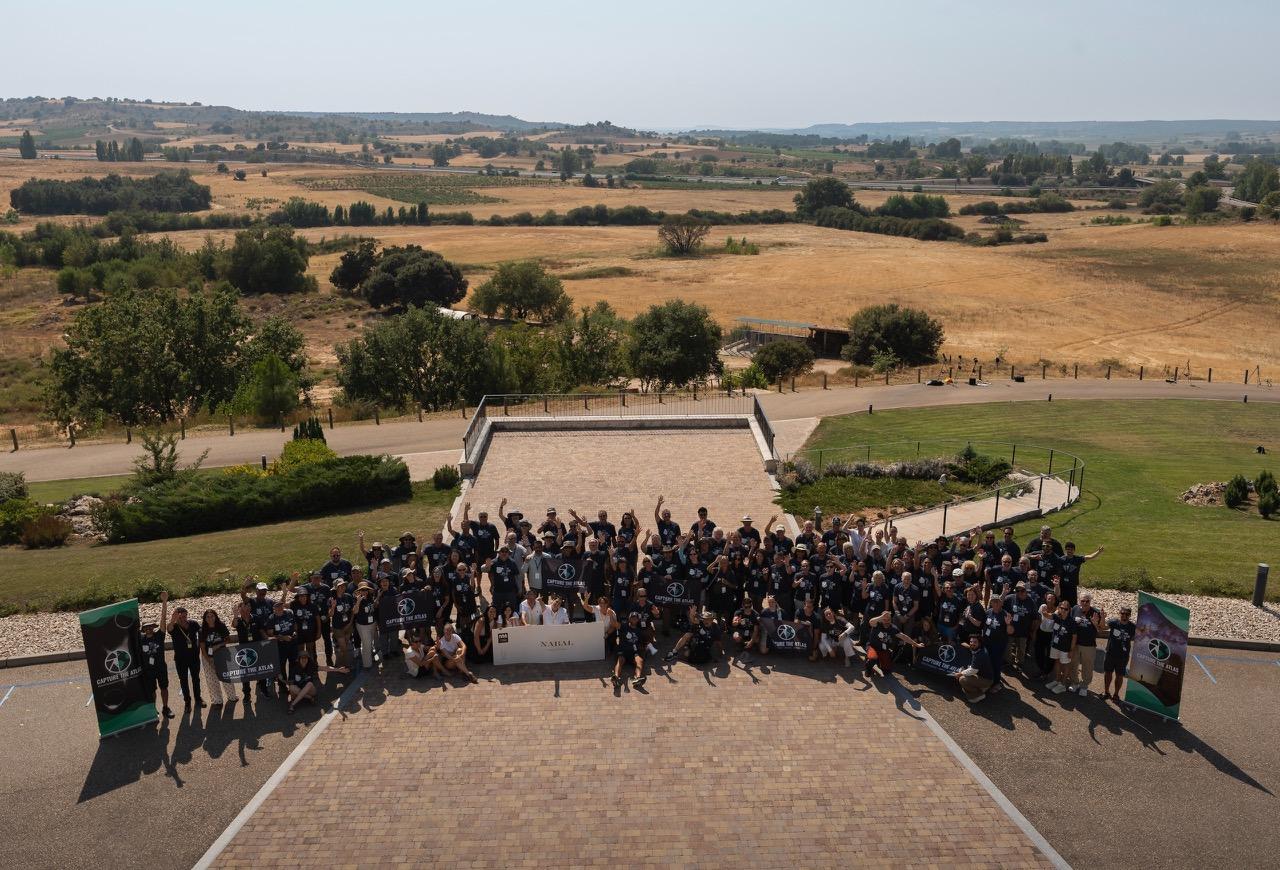
The Capture the Atlas eclipse event was hosted by Dan Zafra and his staff and instructors. To complement the core team, five additional eclipse experts, including Miguel Claro, Dan Stein, Mike Shaw, and Sarah Mathews, were brought on board to provide specialized instruction. These experts offered guidance on advanced techniques such as the use of smart scopes, the creation of composites, and detailed capture of the solar corona.
The group consisted of approximately 80 photographers and 20 non-photographer companions, making it a significant gathering. The program was highly focused on photography, with a key component being the post-processing workshops held the day after the eclipse, where attendees practiced processing the images they had just captured.
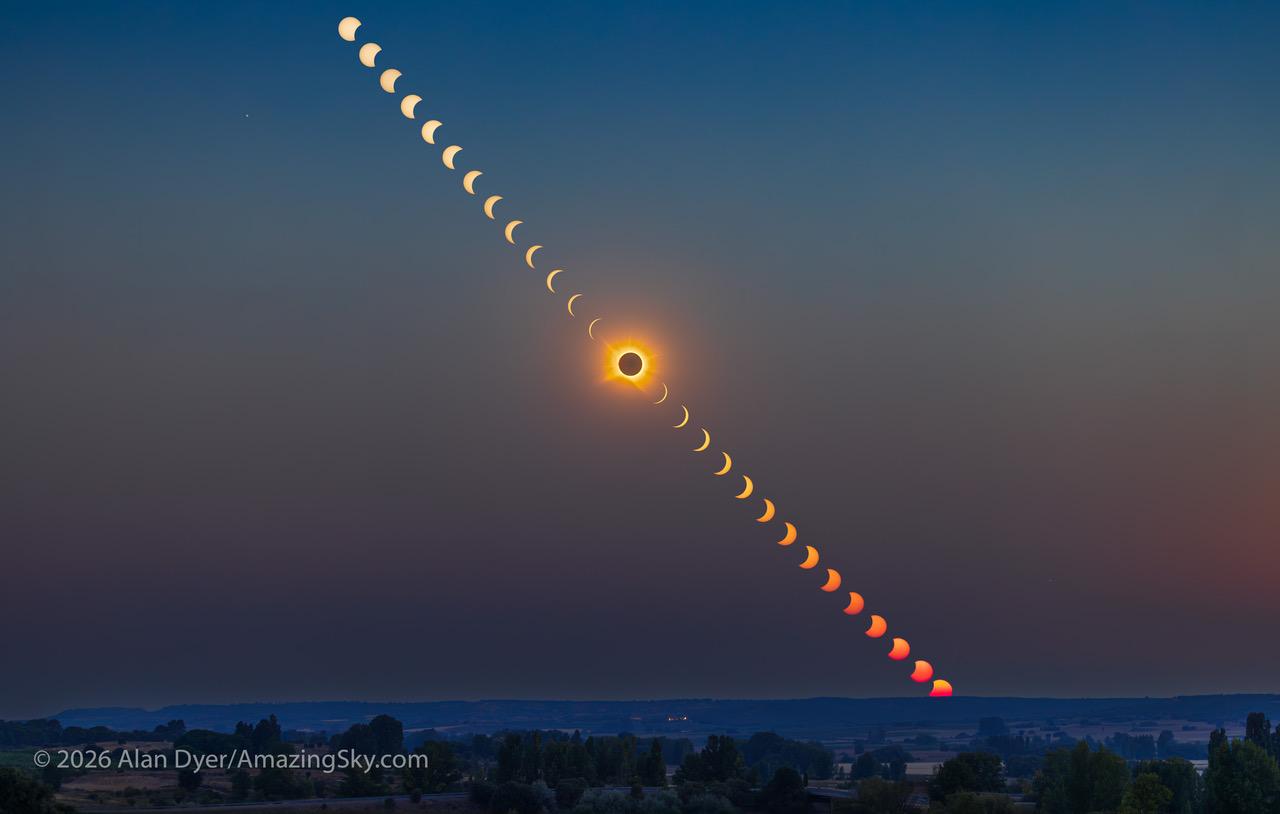
The sky in Spain remained clear but hazy, a condition experienced across much of the region at the time. Due to the low altitude of the sun, the solar corona appeared distinctly yellow. While coastal sites faced cloud cover as forecasted, the group was situated in a favorable location. Although weather conditions deteriorated with storms arriving two days later, the event itself was unaffected, and local wildfires reported in the media did not pose a risk to the group.
Participants employed various setups to document the phenomenon. Equipment used for the event included a Canon Ra with an RF 15-35mm lens at 15mm for time-lapse footage, and a Canon R5 with an RF 70-200mm lens at 70mm for composite imaging. As many attendees had already secured detailed telescopic close-ups during previous eclipses in 2017 and 2024, the strategy for this event often favored lighter equipment configurations to prioritize mobility.
comments (0)